
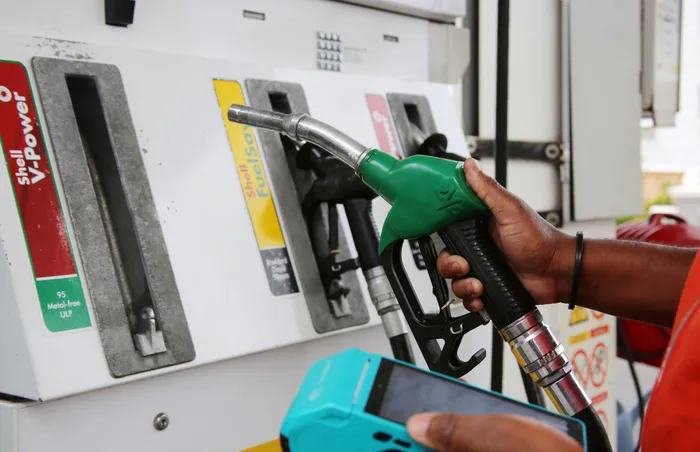
South African motorists significantly cut back on fuel use in April following the sharp increase in petrol and diesel prices
Image: Tumi Pakkies / Independent Newspapers
South African motorists significantly cut back on fuel use in April following the sharp increase in petrol and diesel prices that came into effect on April 1.
This is according to data from Discovery Insure, based on fuel usage and driving patterns from more than 200,000 customers. The findings showed that motorists reacted quickly to higher fuel prices by changing how they drive, including reducing unnecessary trips and combining travel where possible. Overall fuel purchases dropped by 35% compared to March, while fuel transactions fell by 28%.
At the same time, driving behaviour also shifted. Trips taken were down 10%, and total distance travelled dropped by 9%. Even when removing the Easter weekend period from the data, trips and distance were still down by about 8%.
“The data shows a clear and immediate response to higher petrol prices,” Robert Attwell, CEO of Discovery Insure, said.
“Even with the government’s effort to soften the impact by temporarily cutting the fuel levy by R3, consumers are tightening their belts by driving less, combining trips, and being more deliberate about when they use their cars.”
Attwell added that the behaviour change followed a sharp increase in fuel purchases just before the price hike.
“On 30 and 31 March, daily fuel transactions doubled compared to the rest of the month, while total spend on fuel rose by 81%, as drivers filled up ahead of the increase," he added.
“This highlights how quickly people react. There was a strong push to fill up before the increase, driven by uncertainty, followed by a pullback as behaviour adjusted towards the end of the month. Fuel spend started to pick up slightly in the third week of April, showing that while people responded quickly to manage costs, they started to find a balance.”
According to the SpendTrend26 report by Visa and Discovery Bank, the findings come as motorists prepare for an expected fuel price adjustment on 6 May, with the government also extending the temporary R3-per-litre fuel levy relief until 2 June.
The report showed that despite reduced fuel use, spending remained largely non-discretionary, driven mainly by commuting, school transport and daily errands.
It also pointed to a shift in how South Africans move, with 58% of respondents saying they have been using ride-hailing services for more than a year, rising to 70% among 18- to 30-year-olds, as convenience, social use, and rising fuel costs drive changing travel choices.
mthobisi.nozulela@iol.co.za
IOL Business