
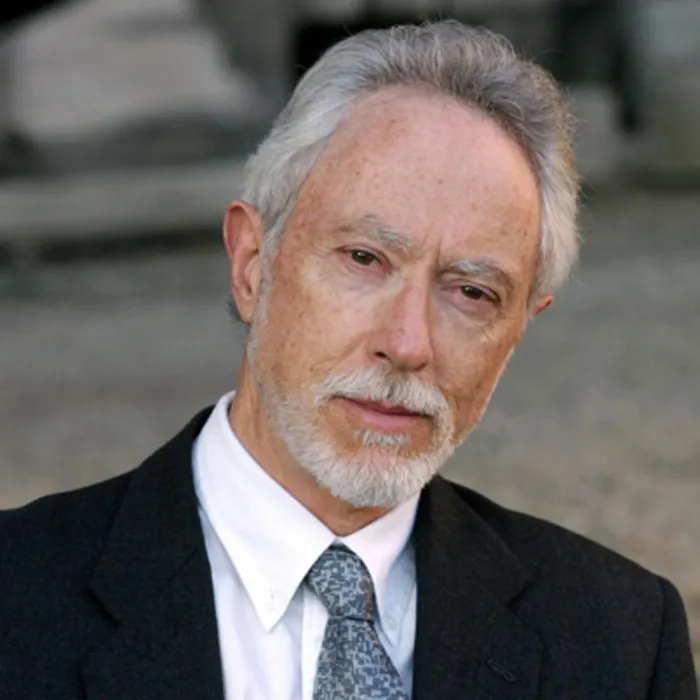
The 14th International Writers Festival in Jerusalem received an official decline from J.M. Coetzee regarding their invitation for him to attend.
Image: IMDB
JERUSALEM — The literary world is today reflecting on a stark intervention by one of its most revered figures.
On Friday, May 1, 2026, Nobel laureate J.M. Coetzee officially declined an invitation to attend the 14th International Writers Festival in Jerusalem, delivering a forceful critique of the Israeli state and its intellectual community.
The 86-year-old South African-Australian novelist, widely regarded as one of the greatest living writers in English, was invited to serve as a headlining guest at the prestigious event at Mishkenot Sha’ananim, scheduled for May 25–28.
In correspondence shared by the festival’s organisers, the double Booker Prize winner stated that he could not participate in the event given the current geopolitical climate.
Coetzee described the military actions in Gaza over the past two years as a "...campaign of genocide... that is disproportionate to the 'murderous provocations' that took place on October 7."
Crucially, Coetzee’s refusal extended beyond a critique of the government. He argued that the "intellectual and artistic communities" within the country were not exempt from accountability, citing what he perceived as widespread domestic support for the military campaign.
He concluded that the "crime of brutality" in the region has created a moral stain that may take decades to address.
The festival’s director, Julia Fermentto-Tzaisler, expressed her profound sadness regarding the author’s decision.
In a personal letter, she voiced her "despair" at his stance, suggesting that his absence would be felt by those within the local literary scene who still champion dialogue and peaceful resolution.
Despite the withdrawal of its primary star, the festival programme will continue later this month. Confirmed speakers include:
Coetzee’s decision is particularly resonant given his history with the city. In 1987, he travelled to accept the Jerusalem Prize, where he delivered a famous address on the "literature of bondage" under South African apartheid.
At that time, he spoke of the internal deformities caused by oppressive systems - a theme he has explored throughout his career in works such as Waiting for the Barbarians.
While he has engaged with the region in the past, including a 2016 visit for the Palestine Festival of Literature, this 2026 boycott marks a definitive shift in his public engagement.
The author is expected to travel to Europe later this month.
He is scheduled to receive an honorary doctorate from the Vrije Universiteit Brussel (VUB) in Brussels and The Hague, an event that is now expected to draw significant media attention following his remarks on the Middle East.
For a writer who has spent his career examining the mechanics of power and the silence of the complicit, this latest act of dissent suggests that, for Coetzee, the time for "dialogue" has been eclipsed by the necessity of a moral stand.