
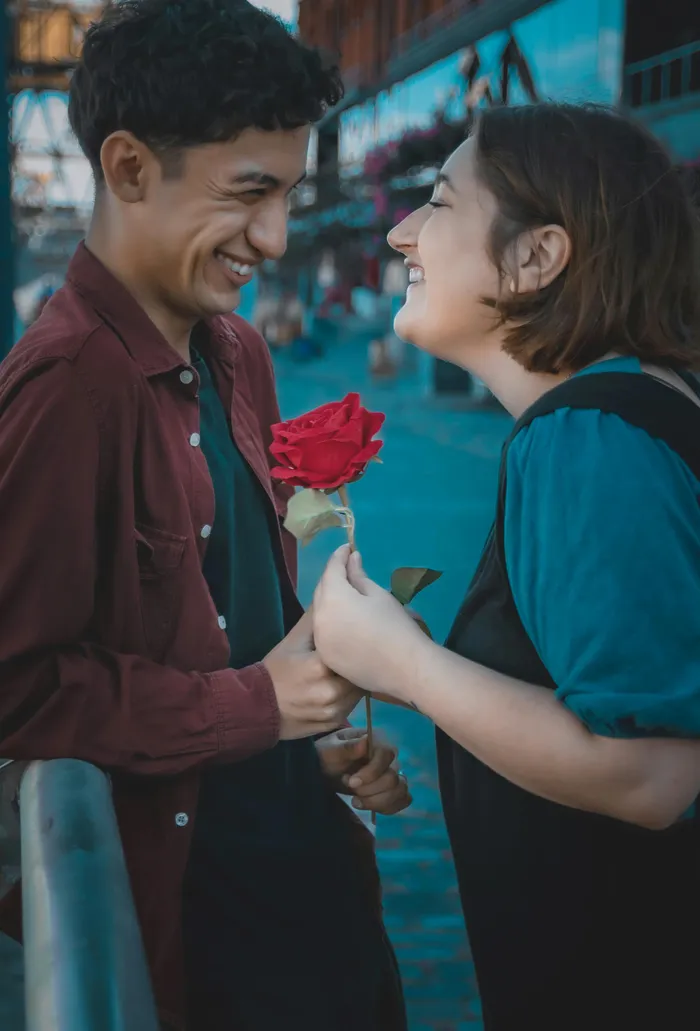
The new relationship flex is effort, care and attention, a big shift from emotional detachment.
Image: Pexels
Modern dating has basically turned into a giant game of "Who can care the least?"
If you text back right away, you look desperate. Send two texts in a row? Total embarrassment. Ask the simple question, "So, what are we?" and suddenly you’re labelled as "too much" or "intense".
We’ve somehow convinced ourselves that pretending not to care is cool. Between swiping on apps, getting stuck in endless situationships and staring at "read receipts" from three hours ago, we started treating emotionally unavailable people like the ultimate prize.
There is a new dating trend taking over TikTok and group chats called "chalance."
It is the exact opposite of being nonchalant. Instead of pretending you couldn't care less, chalance is about caring loudly, being intentional and showing your feelings without feeling embarrassed.
A recent report showed that interest in being "chalant" skyrocketed by over 200%, proving that the way we view romance is seriously changing.
After dealing with years of breadcrumbing, sudden ghosting and the absolute exhaustion of "let’s just see where things go," people are craving clarity, real effort and emotional safety.
Dating has become so exhausting that it feels less like finding a connection and more like emotional survival.
For years, we’ve spent hours decoding dry texts with friends, trying to figure out if a simple "haha" means they like you or are quietly rejecting you.
Women have felt forced to hide their feelings just to seem "low maintenance," while men get a pass for being emotionally distant.
But a "chalant" person changes all of that. They don't use mixed signals as a weapon or pretend they’re too busy to care.
Instead, they actually communicate, follow through on promises, remember the little details and make real plans. They show affection because they don't think intimacy is embarrassing.
Ultimately, practising "chalance" means proudly showing genuine interest and emotional investment, rather than hiding behind confusing mind games.
Part of what makes this shift so culturally significant is that many women are beginning to recognise how deeply exhausting “cool girl” dating culture has been.
The “cool girl” was never supposed to ask for reassurance. She was meant to tolerate inconsistency, delayed replies, casual disrespect and emotional confusion without complaint.
She was supposed to be endlessly understanding while receiving the bare minimum in return.
Research consistently shows that younger women are prioritising emotional intelligence, communication and intentional dating more than previous generations.
They are asking harder questions earlier. They are paying attention to effort. They are no longer treating inconsistency as chemistry.
And social media has accelerated that awareness.
TikTok alone is filled with women comparing notes on “low effort men,” invisible emotional labour and the psychological toll of relationships where one person carries all the emotional weight while the other hides behind irony, vagueness or fear of commitment.
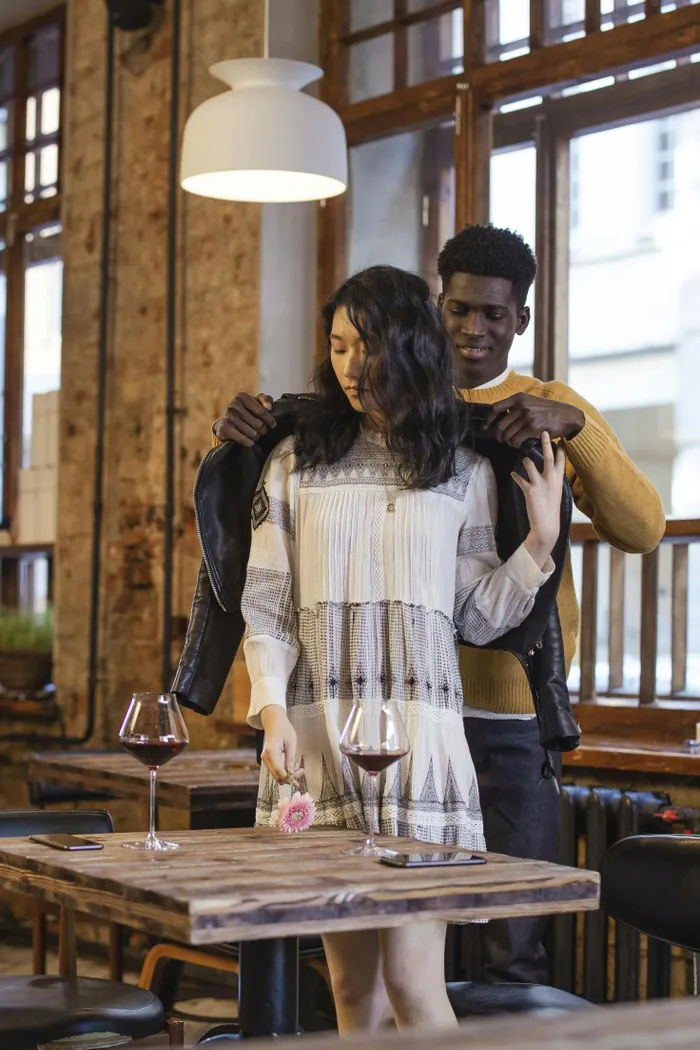
Modern dating is seeing an increasing number of women shift their priorities around effort.
Image: Pexels
One reason that the trend resonates so deeply is that it challenges an old dating myth: that caring openly somehow makes you weak.
In reality, emotional availability requires far more confidence than emotional detachment ever will.
There is courage in directly saying:
That kind of honesty terrifies people precisely because rejection feels so public and personal now. Dating apps have made romantic disappointment feel endless and hyper-visible.
Ghosting has made people fearful of emotional investment. Vulnerability feels risky in a culture obsessed with self-protection.
Researchers famously describe this emotional aftermath as a “vulnerability hangover", the shame and panic people feel after opening up emotionally.
According to another Hinge report, while 52% of daters admitted feeling embarrassed after being vulnerable, only 19% said that they felt uncomfortable when someone opened up emotionally to them.
What women increasingly want is not performative masculinity or grand gestures designed for Instagram. It is emotional consistency.
It is someone remembering how you take your coffee. Someone is checking whether you got home safely. Someone planning a thoughtful date instead of sending “you up?” at midnight.
Someone emotionally present enough to hold difficult conversations without disappearing for three business days afterwards.
According to Hinge’s research, 84% of daters said thoughtful dates matter more than expensive ones.
Because beneath all the trending terminology, "chalance" is really about one thing: people wanting to feel chosen without having to beg for clarity.
And after years of dating culture rewarding emotional detachment, many women are finally saying what they probably should have been allowed to say all along: Caring is attractive. Effort is attractive. Emotional availability is attractive.