
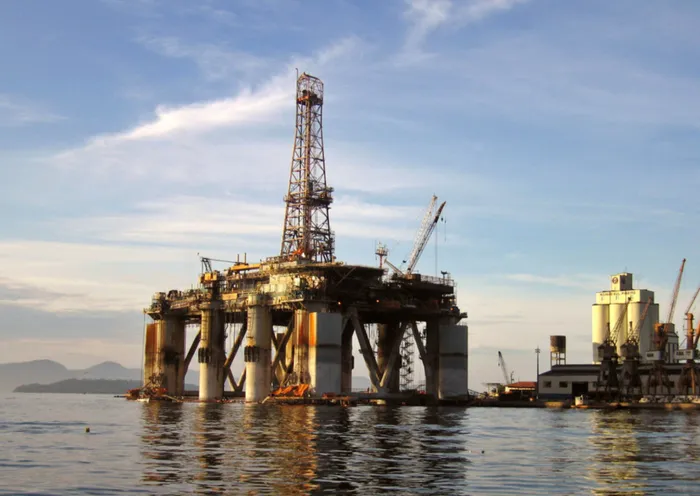
A Supreme Court of Appeal decision means no offshore drilling can commence in the contested offshore oil and gas exploration in Block 5/6/7 along South Africa's south-west coast.
Image: File
The Green Connection and Natural Justice have welcomed the Supreme Court of Appeal's (SCA) decision to defer a ruling on whether to grant leave to appeal in the contested offshore oil and gas exploration in Block 5/6/7 along South Africa's south-west coast. Not only did the SCA push the matter forward, but it also mandated a consolidated hearing that will consider both the leave to appeal and the substantive issues simultaneously.
According to Neville van Rooy, Outreach Ambassador for The Green Connection, this unprecedented approach demonstrates a commitment to accountability. “By directing that the leave to appeal application and the full appeal be heard together, the Supreme Court of Appeal has created a single, consolidated process that goes beyond procedural efficiency. It shortens the path to final accountability and ensures that the Court fully considers the substantive failures identified by the High Court,” he stated, highlighting the significant risks that small-scale fishers face.
At the crux of this legal battle is not only the fate of the offshore drilling project but broader themes of governance and climate justice. Van Rooy said, “This case matters to all South Africans because it is essentially about good governance and because it will set a binding legal precedent on whether government decisions affecting the country’s environment, climate future, public finances and livelihoods must fully consider climate risks, environmental harm, and meaningful public participation.”
The legal proceedings trace back to years of objections raised by coastal communities, small-scale fishers, and civil organisations regarding climate impacts, risks of oil spills, and the inadequacy of public participation in the decision-making process. In a landmark ruling in 2025, the Western Cape High Court overturned the Environmental Authorisation that had been granted for drilling in Block 5/6/7. The Court found substantial flaws in the process, citing insufficient assessment of critical environmental and socio-economic risks.
In November 2025, while confirming the unlawful status of the Environmental Authorisation, the High Court granted limited leave to appeal to the State and Shell on two issues: the assessment of full lifecycle climate impacts and transboundary environmental harm. Undeterred, Shell and the State sought to expand the appeal to cover additional grounds, prompting the recent Supreme Court proceedings.
At the heart of the matter lies the question of whether the Minister responsible for granting environmental permissions had all necessary and reliable information concerning the environmental risks and socio-economic importance of marine resources. As van Rooy emphasised, “This case is not about judges ‘deciding climate change’, it is about whether South African law was followed.” The legal scrutiny will examine if relevant climate, environmental, and socio-economic risks were taken into account legitimately as required by South Africa's legislation.
As the matter progresses, with a date for the consolidated hearing yet to be confirmed, the Environmental Authorisation for Block 5/6/7 remains set aside. This significant ruling means no offshore drilling can commence lawfully without a valid authorisation obtained through a process that aligns with constitutional and environmental standards.
The Green Connection and Natural Justice view the Supreme Court’s recent decision as a crucial step toward ensuring comprehensive legal consideration of offshore drilling’s implications for environmental governance and coastal communities.
IOS