
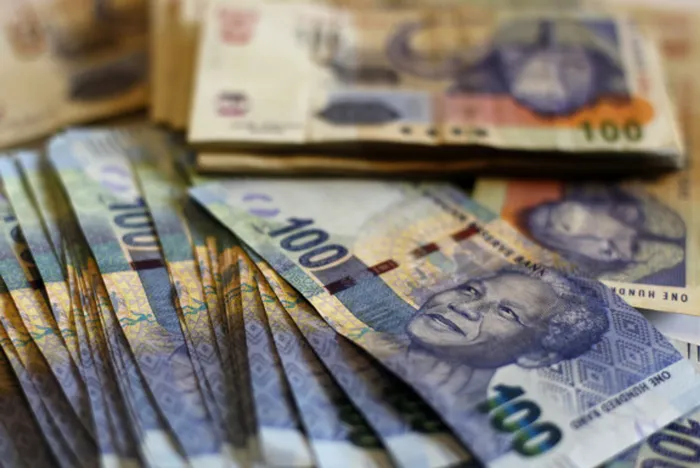
As South Africa grapples with an affordability reset, the stark choice before households is not merely about spending less but about the very essence of what it means to survive in a landscape that is relentless in its demands.
Image: Independent Newspapers
As South Africa moves through May 2026, a considerable shift in consumer behaviour is becoming evident. While the economic landscape continues to threaten household budgets, the consumer mindset has evolved — less indulgent and far more cautious, as Sebastiem Alexanderson, head of National Debt Advisors, reveals. This shift isn't simply a temporary plight; it represents a more permanent affordability reset reshaping everyday spending for South Africans.
“We're witnessing a transformation; the average consumer is no longer just financially strained but fundamentally rethinking their financial decisions,” said Alexanderson. “Of over 60,000 South Africans under debt review, an astonishing 94% don’t own a car, and 95% have no home loan; many have entered a complex web of unsecured loans simply to survive.”
This scenario highlights a shocking reliance on credit, where individuals juggle multiple loans — over 40,000 of them facing three or more unsecured loans, with some carrying an overwhelming tally of as many as 34. More than ever, debt is not for luxuries but is increasingly seen as a means of survival.
Despite headlines claiming improvements, the reality is starkly different. The FNB/BER Consumer Confidence Index edged up to -7 in Q1 2026, its highest since Q4 2024. However, this rebound masks a growing divide: high-income households improved their sentiment from -12 to -4, while low-income earners sinking from -8 to -12. “The country didn’t become more confident; it split,” cautioned Alexanderson.
This disparity has only been exacerbated by external pressures, including recent geopolitical tensions that caused oil prices to soar to over $110 (R1 800) a barrel, placing further strain on households already grappling with rising costs. As Alexanderson pointed out, “The Reserve Bank's decision to shelve anticipated interest rate cuts has added to the financial pressure as the rand struggles at R16.55 to the dollar.”
What’s alarming for many South African households is that they have already made the difficult adjustments. As Alexanderson notes, the biggest mistake would be to assume that consumers are just more cautious; the austerity measures have long been implemented. “We are now observing people selling their second cars, cancelling additional medical aids, and moving their children out of private schooling, yet still facing cash shortfalls at month-end,” he explained.
This new reality has left many consumers with few options, as Alexanderson argues that “there is nothing left to cut.” The budget hasn’t changed; what has shifted is the buyer's mentality and the survival strategies now in play.
According to Alexanderson, five key trends have emerged that define how South Africans now navigate their shopping experiences:
Amidst soaring costs of fuel, electricity, and basic necessities, Alexanderson summarises the prevailing sentiment: “Each purchase now comes with a critical question: can I afford this without jeopardising my other commitments?” When every rand is carefully accounted for, even a slight price increase can push households into the difficult position of choosing between comfort, dignity, and survival.
IOS