
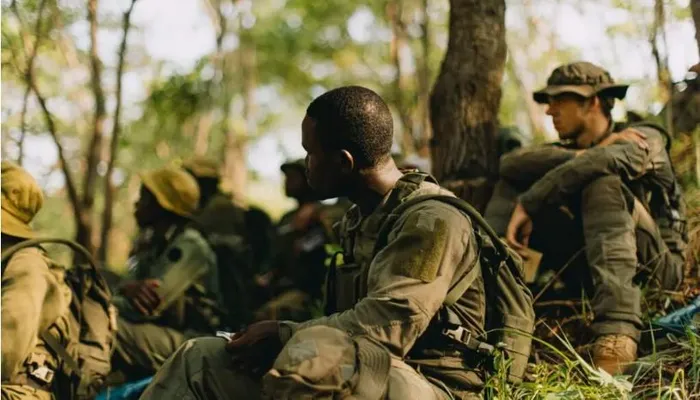
The Southern African Wildlife College and LEAD Conservation are uniting to enhance training and education of rangers, promising a sustainable impact across Africa's vital ecosystems.
Image: Lead Conservation
In a significant advancement for conservation education across Southern Africa, the Southern African Wildlife College (SAWC) and LEAD Conservation have officially signed a Memorandum of Understanding (MoU), paving the way for a collaborative approach that seeks to amplify their respective strengths in the field. This partnership is built on a simple yet powerful premise: two organisations, each with unique capabilities, can achieve greater outcomes together than they could independently.
The SAWC, an esteemed institution situated adjacent to the iconic Kruger National Park, has established itself as a leader in conservation training, having educated over 29,000 individuals from 67 countries. Its expertise lies in conservation education, training delivery, and maintaining a substantial network of parks and partner organisations across the region.
LEAD Conservation brings its focused expertise in nurturing instructors, leaders, and critical thinkers. Their programmes, such as RangerPro and Insight, emphasise quality delivery and measurable impacts, having trained 799 individuals, including 400 ranger trainers, from 151 organisations in Africa and Asia since 2017.
“We have enormous respect for what the SAWC has built and the role they play in the sector. This isn't about doing more of the same together; it's about listening to what is needed and being honest about where each of us adds the most value," said Dominique Noome, Executive Director of LEAD Conservation. "By combining our respective strengths in education, operational capacity development, leadership, and collaborative learning, we can create greater and more sustainable conservation impact across Africa.”
The MoU delineates a collaboration that spans four pivotal areas:
Both organisations are committed to adopting needs-driven and evidence-based approaches, enabling them to track the actual differences made for the communities and ecosystems they serve. To ensure effective supervision of the collaborative efforts, a joint co-ordination mechanism will oversee operations, with regular reviews set to assess progress and implement necessary adaptations.
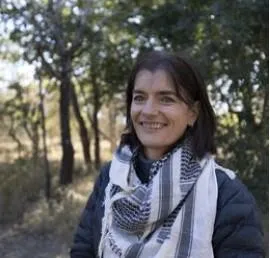
Theresa Sowry, CEO of the Southern African Wildlife College
Image: Supplied
This partnership programme is set to commence immediately and will last for an initial term of five years. During this period, both SAWC and LEAD Conservation will explore joint funding opportunities to bolster their shared initiatives while developing a more robust framework for conservation education and training.
“This MoU reflects our belief that meaningful conservation outcomes are only possible through trusted partnerships, shared knowledge, and long-term investment in people,” said Theresa Sowry, CEO of the SAWC.
IOS