
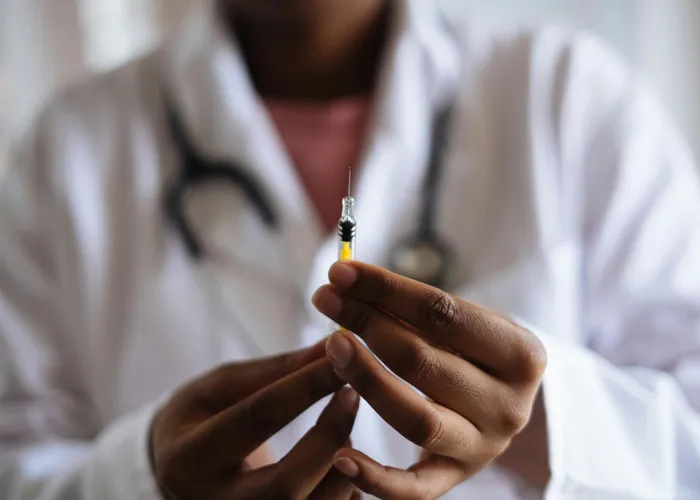
Vaccines are one of the best ways to protect children from dangerous diseases.
Image: RF._.studio/Pexels
As World Immunisation Week wraps up, health professionals continue to urge parents and guardians about the importance of childhood vaccinations.
World Immunisation Week highlights the legacy of vaccines and the millions of lives saved. This year’s theme is ‘For every generation, vaccines work’.
According to the World Health Organization (WHO), more than 150 million lives have been saved by vaccines since 1974, more than 30 life-threatening diseases and infections have been prevented by vaccines, and 20 million children have missed at least one vaccine dose in 2024.
“Vaccines have long been one of the most powerful tools in public health. Over the past 50 years, vaccines have saved more than 150 million lives – not by accident, but because ordinary people made the decision to protect themselves, their children and their communities from diseases like measles, diphtheria, pertussis, polio, and rotavirus,” WHO said.
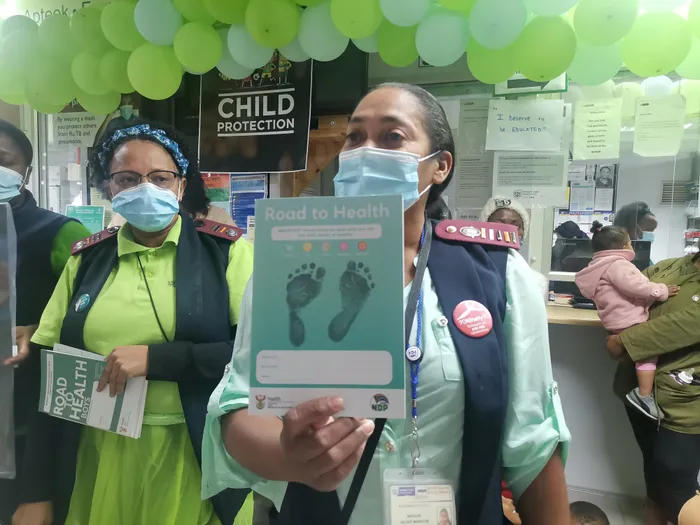
Child health nurse Sr Hendriena Kock (left) and Sr Liesel Rose-Benjamin (centre) explain how parents can use their child’s Road to Health booklet.
Image: Supplied
WHO said newer vaccines against malaria, HPV, cholera, dengue, meningitis, RSV, Ebola, and mpox are saving even more lives, and helping people at every stage of life live longer and healthier thanks to scientific advancements.
The City of Cape Town’s mayoral committee member for community services and health, Councillor Francine Higham, raised concerns over the declining immunisation rates across Cape Town.
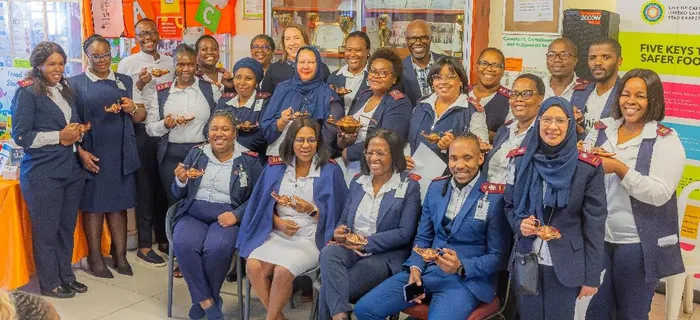
Councillor Francine Higham with staff at Eastridge Clinic.
Image: City of Cape Town
Between July 2025 and March 2026, City Health administered 294,894 doses of vaccines to children up to the age of 12, compared to 310,786 in the previous comparative period.
The number of fully immunised children under the age of one declined by 3.6%, leaving more children vulnerable to preventable diseases such as measles, diphtheria, polio and pneumonia.
Higham visited the Eastridge Clinic this week, where she met with mothers, caregivers, and healthcare workers.
“World Immunisation Day is not only about vaccines, but it is also about people, families and the shared responsibility we carry to protect one another. However, we have large groups of children who are under-vaccinated and who are subsequently vulnerable to vaccine-preventable disease outbreaks, especially measles. This is a serious concern that requires all of us to work together,” Higham said.
When children miss scheduled vaccinations, they and others in the community become more vulnerable to preventable diseases. Recent outbreaks of measles and diphtheria have shown how quickly these illnesses can spread when protection is incomplete.
City Health encourages residents to reflect on the youngest members of their communities - babies in prams, toddlers holding their caregivers’ hands, and children full of promise and potential.
“Immunisation is one of the simplest yet most powerful ways we can protect our children and communities. Vaccines shield children from diseases that once caused great suffering, including measles, polio, tuberculosis, pneumonia, tetanus and diphtheria. They also give parents peace of mind and allow children to grow, play, learn and thrive,” Higham said.
She said by vaccinating a child, families are not only protecting that child, but also helping to safeguard siblings, neighbours and the broader community through collective protection.
“If a child has missed a vaccination, it is not too late. Our clinics are here, our healthcare workers are ready to help, and we walk this journey with families. The first 1,000 days of a child’s life are critical, and every clinic visit, every vaccine, and every small step you take builds a stronger and healthier future for your child,” Higham said.
The Road to Health booklet remains an important tool for tracking a child’s growth and vaccinations.
The City’s health services’ online booking system makes it easy to book an appointment, and clinic staff are available to explain the schedule, answer questions and assist with catch‑up vaccinations.
robin.francke@iol.co.za
IOL