
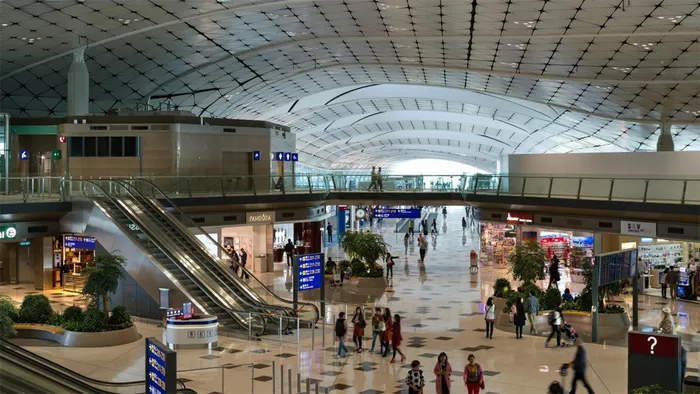
Airports are transitioning from mere transit spaces; their focus on aesthetics and cleanliness enhances their value.
Image: Skytrax
When you're at an airport, perhaps during a brief or extended layover, how much attention do you dedicate to your surroundings? Often, the main priority of most travellers is finding a comfortable place to relax or a reasonably priced meal, considering the local currency.
When travelling, I was often too exhausted to truly appreciate an airport's finer points. If I did have extra time, though, my preferred activity was browsing and buying perfumes from the duty-free stores. Clearly, my focus was elsewhere.
That being said, I found it interesting to learn that there are airports that tick all the boxes for being the cleanest in the world.
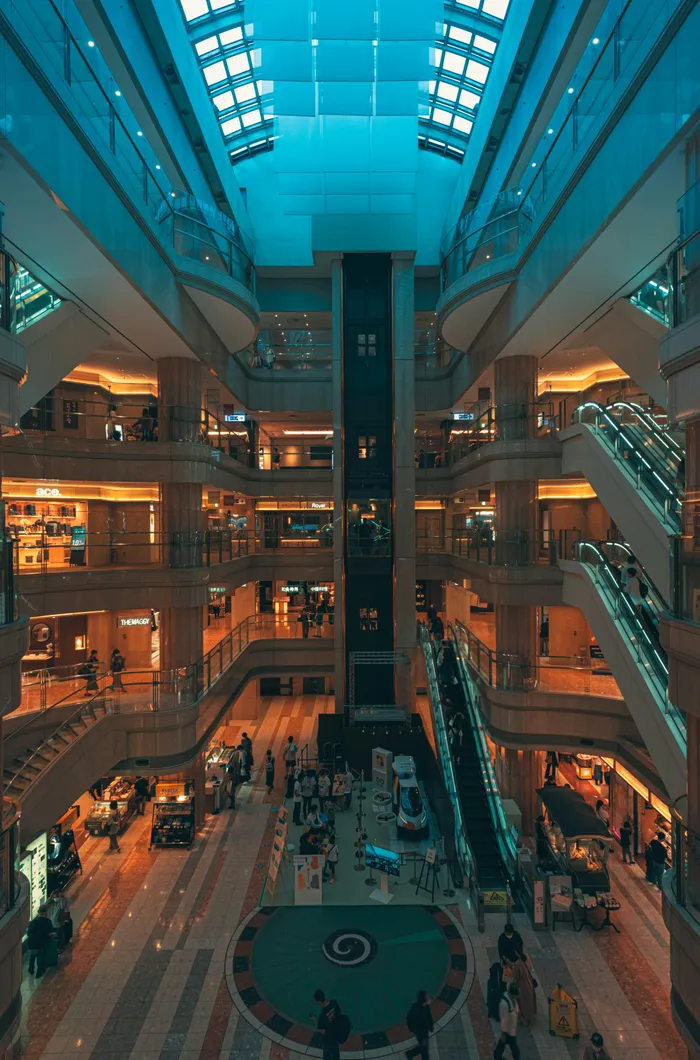
For 11 consecutive years, Tokyo Haneda Airport has been recognised as the cleanest airport, claiming the top spot.
Image: Pexels
Below are the Top 3, based on the 2026 Skytrax World Airport Awards.
The fact that this airport has claimed the title for 11 consecutive years, from 2016 to 2026, validates its claim to first place.
Looking at its cleanliness protocols, its winning streak is little surprise.
The airport's cleaning approach is guided by Niitsu's "cleaning with kindness" philosophy, which prioritises passenger comfort and health over just removing dirt.
This philosophy is executed through meticulous methods, such as the "mirror" technique, where staff use small, handheld mirrors to thoroughly inspect difficult-to-see areas like the undersides of toilet rims.
When it comes to the floors, they use light-reflecting meters to strike a delicate balance of shine without it being slippery.
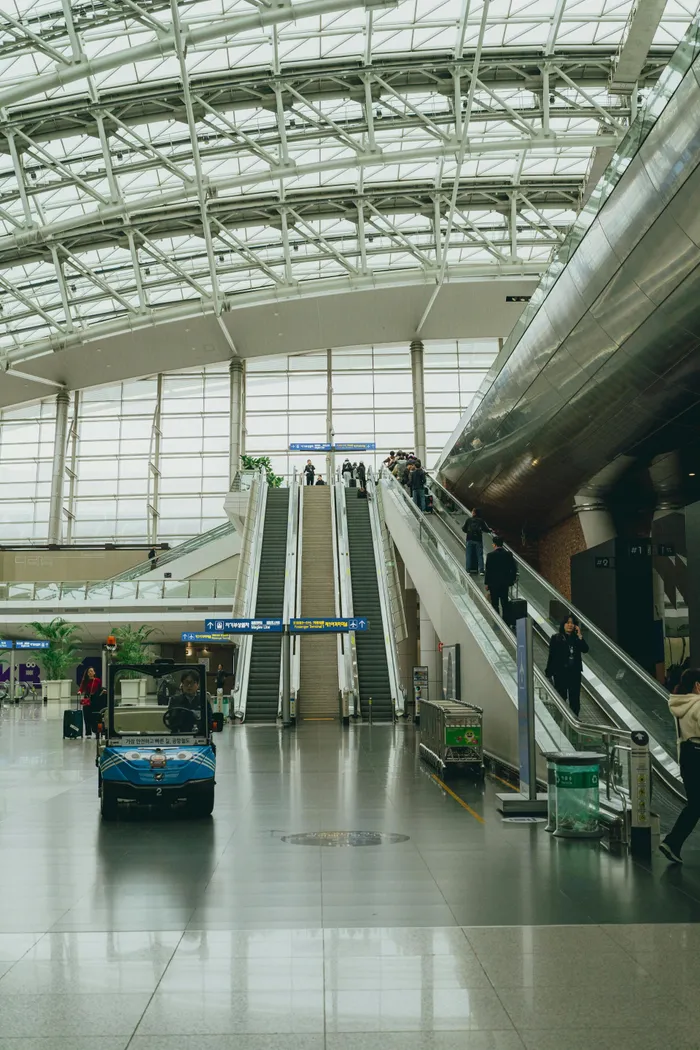
Seoul Incheon International Airport is known for its high-tech approach to cleanliness and sanitisation.
Image: Pexels
This South Korean airport has claimed the second spot, earning recognition for its high-tech approach to cleanliness and sanitisation.
Its focus on sustainability is evident, as Terminal 2 (T2), opened in 2018, was designed to meet the G-SEED Grade 1 certification, the benchmark for Korea’s green building standard.
The airport uses sophisticated technology to maintain a clean environment. This includes high-efficiency air filtration systems that refresh the air every few minutes. A "smart" cleaning fleet is deployed, featuring autonomous service robots, including large-scale industrial floor scrubbers and smaller units for high-density areas.
Even the bathrooms, often a source of discomfort for travellers, are high-tech. They feature touchless sensors, real-time maintenance monitoring, and a particularly notable feature: smart mirrors that display flight information.
Aesthetically, the airport incorporates indoor greenery, contributing to a less stuffy and more pleasant atmosphere.
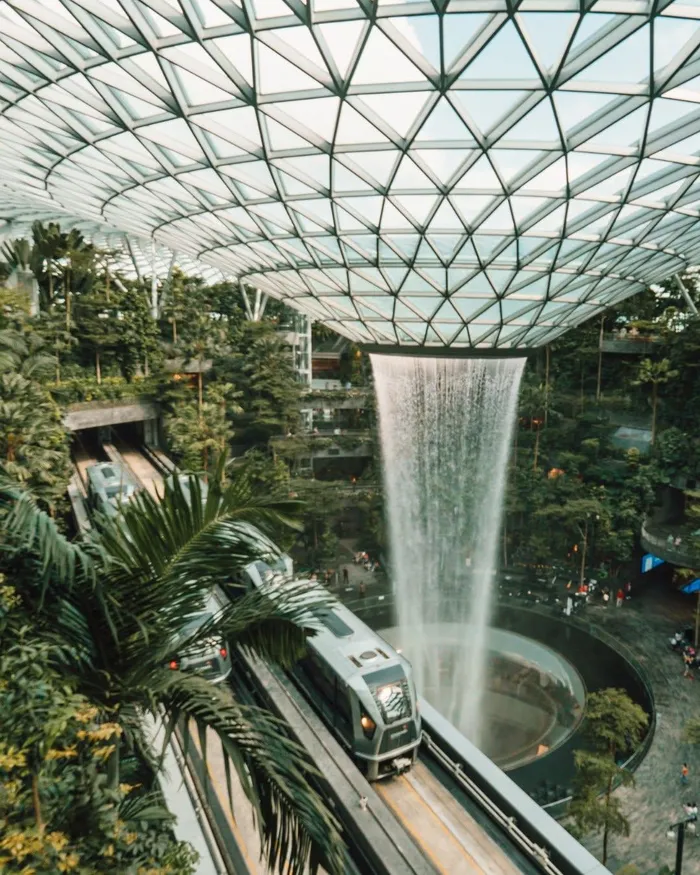
Singapore Changi Airport is renowned for its exceptional hygiene standards and overall traveller experience. Its Jewel's Rain Vortex is a major drawcard.
Image: Instagram
Given Singapore's global recognition as a "City of the Future", it is hardly a surprise that its airport earned a spot on this list.
The airport is widely recognised as a world-class leader, praised by those who have experienced it for both its exceptional hygiene standards and overall traveller experience.
The airport's well-deserved recognition stems from its use of a specialised robot fleet. These robots operate around the clock, seven days a week, performing scrubbing, vacuuming, and polishing of the marble and terrazzo floors.
Passengers can immediately rate the washroom service using a real-time feedback system. If the rating is unsatisfactory, an alert is sent instantly to the cleaning supervisor.
Smell is also a crucial factor when considering cleanliness. As such, it uses a bespoke Orchid Tea signature scene throughout its terminals.
The airport's standout feature is the Jewel's Rain Vortex, the world's tallest indoor waterfall. While it is an impressive sight, a dedicated team is required to maintain the extensive greenery and manage the humidity to prevent mould or hygiene problems.
The rest of the airports that made the Top 10 list are: Tokyo Narita International Airport (NRT) in 4th place, Hong Kong International Airport (5th), Taiwan Taoyuan (6th), Kansai International Airport (7th), Zurich Airport (8th), Shanghai Hongqiao International Airport (9th), and Rome Fiumicino Leonardo da Vinci International Airport, which rounded out the list at 10th.