
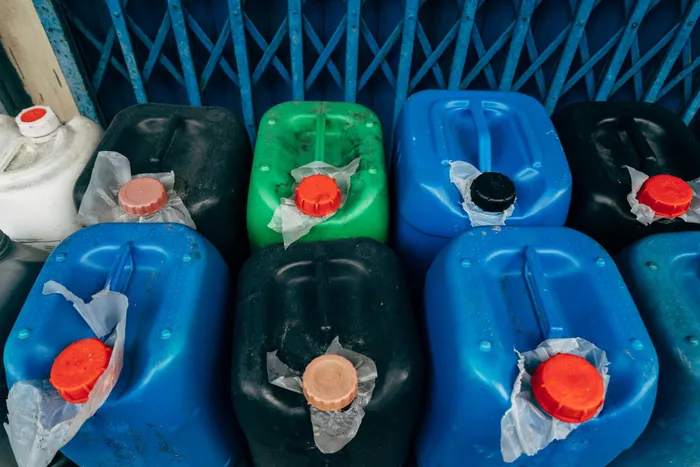
Prompted by both the threat of loadshedding and hedging against fuel price increases, people are taking to storing fuel. However, storing fuel at home introduces a range of risks.
Image: Pexels/Markus Winkler
As South Africa enjoys a welcome respite from the persistent waves of loadshedding, the habits formed during years of turmoil remain deeply embedded in the nation's psyche. From home generators to the increasingly common practice of fuel storage, the remnants of a power crisis linger, even as stability returns to the electricity supply.
Dwindling electricity has forced many households to adopt back-up power solutions, particularly among wealthier clients who have been quick to embrace the new norm. Yet, as the echoes of blackouts fade, a troubling trend has emerged: the practice of storing petrol and diesel continues unabated, with potentially dire consequences.
“Back-up power solutions became essential during loadshedding, particularly among high-net-worth clients who tend to be early adopters,” says Christelle Colman, the CEO and Founder of Ami Underwriting Managers. Despite the assurance of a more stable electricity grid, the urge to stockpile fuel is now heightened by rising global oil prices and uncertainty in the market — issues that can compel households to hoard fuel without fully appreciating the associated risks.
Colman points out, however, that the storage of fuel introduces a multitude of hazards including fire, explosion, injury, environmental contamination, and potential damage to third parties. The risk escalates significantly when fuel is stored near living spaces or conflagrant sources such as generators or gas appliances.
The dangers of incorrect fuel storage are exacerbated when people use unsuitable containers. Colman warns against storing fuel in ordinary household items such as old soft drink bottles or paint buckets, which can leak or create confusion with benign products. “Proper containers must comply with South African National Standards (SANS), be clearly labelled, kept closed, and maintained to prevent leaks or vapour,” she says.
Moreover, it isn't sufficient to assume that a garage is a secure storage option. The presence of vehicles and other combustible materials can turn these spaces into potential fire hazards.
The unequivocal recommendation from experts like Colman is simple: unless absolutely necessary, refrain from storing fuel at home. When storage is required, it is essential to do so in a cool, dry, secure, and well-ventilated area that is away from:
When incidents occur, insurance claims involving stored fuel can become complex. Colman notes that petrol, notorious for its flammable vapours, poses significant risks in the event of a fire, possibly altering the severity of damage. Insurers typically consider various factors when assessing claims, including how much fuel was stored, the nature of the containers used, and whether the policyholder complied with bylaws.
Municipalities have unique regulations regarding fuel storage, with some imposing limits on how much fuel can be kept at home. As a result, understanding local guidelines is paramount for homeowners looking to safeguard themselves.
For homeowners, the imperative to disclose any changes in fuel storage status to their insurance broker is crucial. This includes any decisions to store multiple containers or bulk fuel, as well as those related to generator installation. “The duty to disclose material does not end when the policy is issued,” Colman says. “Clients must communicate any changes before a claim is made.”
While the instinct to prepare for potential future shortages is natural, Colman says it can ultimately introduce more risks than it mitigates. “Backup power brings peace of mind. However, it also introduces new risks. Managing those risks properly is crucial, not only to protect your home, but to ensure you are covered when it matters most,” she adds.
Should storage become necessary, Colman urges homeowners to limit quantities, use approved containers, ensure distance from ignition sources, and adhere to all local regulations. Ignoring these guidelines could lead to not only severe property damage, but also legal and financial ramifications.
IOS