
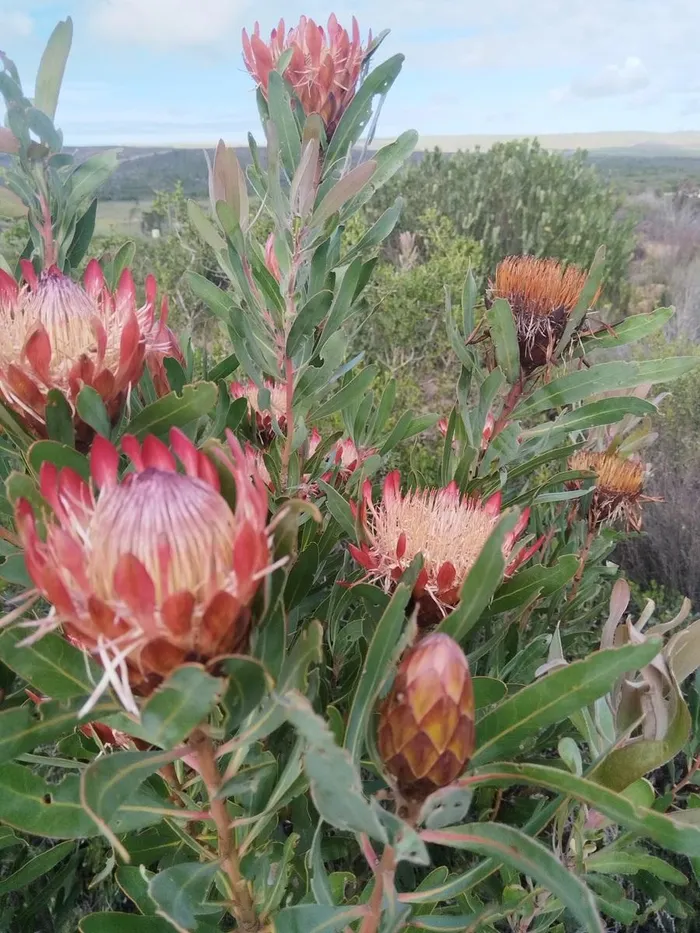
Proteas at the Wild Rescue nature reserve between Still Bay and Riversdale in the Western Cape.
Image: Wild Rescue
When biodiversity faces challenges, humanity itself is at risk. The intricate web of life on our planet provides essential services for human well-being, making the preservation of biodiversity critical not only to the environment, but also to society at large. As we mark International Day for Biological Diversity (IDB) on May 22, established by the United Nations in 2000, the focus this year on "Acting Locally for Global Impact" underscores the importance of grassroots initiatives in combating the rapid decline of our ecosystems.
This is according to Wild Rescue, a proclaimed nature reserve located between Still Bay and Riversdale in the Western Cape.
From the urban jungles of our cities to the serene countrysides, it is evident that sustainable actions at the local level lay the groundwork for significant global changes. Major ecological transformations often begin small, reiterating the need for collaborative efforts between communities and governments. This grassroots approach has become more crucial than ever as the global community grapples with unprecedented biodiversity loss, driven largely by human activities. Around a million species are currently at risk of extinction, with human-induced factors such as habitat loss, pollution, and climate change wreaking havoc on fragile ecosystems, says Wild Rescue.
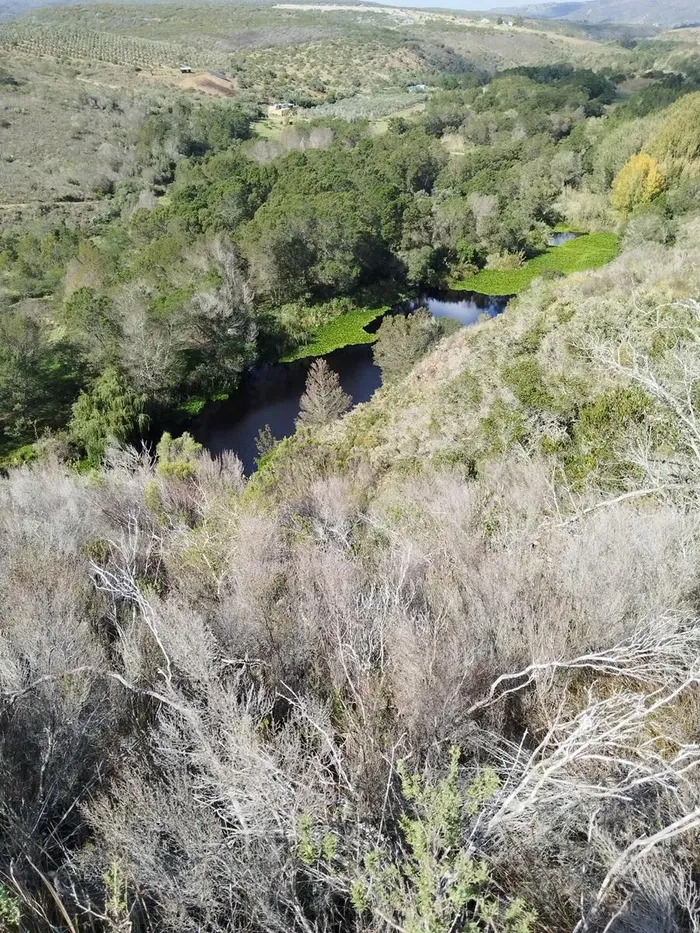
A view of the Goukou River in the Wild Rescue nature reserve.
Image: Wild Rescue
In South Africa, the world's biodiversity hotspot, attention is drawn to the local gathering hosted ahead of this year’s IDB. As the first United Nations member state designated to facilitate the official consultative conference by the UN Convention on Biological Diversity, South Africa’s gathering aims to showcase the integral role of local and indigenous knowledge in enhancing climate resilience and food security. Recent fertiliser shortages due to geopolitical tensions have brought food security challenges to the forefront, particularly in agricultural sectors hit the hardest. The conference arrives at a pivotal moment where the nation is also revising its National Biodiversity Strategy and Action Plan (NBSAP) 2026-2035; a key mechanism to translate global commitments into actionable goals aligned with the Kunming–Montreal Global Biodiversity Framework.
South Africa has made advancements through its Biodiversity Stewardship Programme, securing nearly 2.76 million hectares dedicated to conservation efforts, specifically through collaboration with communities and landowners. New nature reserves in regions such as the Western Cape have expanded protected areas substantially, reflecting a communal spirit in addressing biodiversity challenges, says Wild Rescue.
Given South Africa's unique position as one of the most diverse countries on the planet — with the Cape Floral Kingdom regarded as the richest of six floristic regions — its biodiversity is under threat from over 750 invasive alien plant species. The situation demands urgent and collective action, with insights from local governance, as exemplified through initiatives like the Friends of the Biosphere, which connects businesses and communities to champion biodiversity conservation.
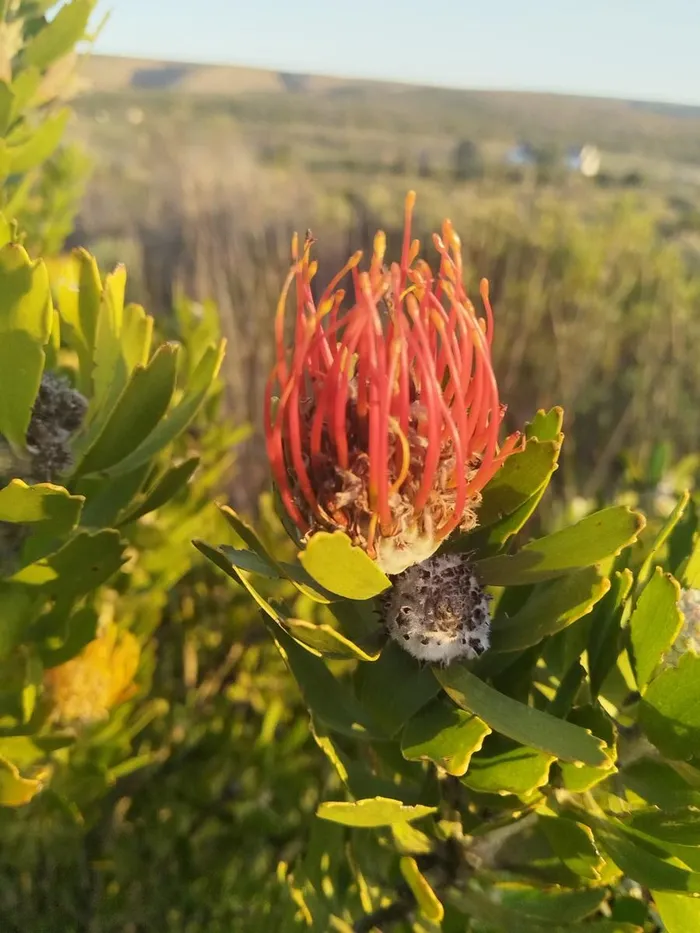
Pincushion flowers add to the diversity of flora in the Wild Rescue nature reserve.
Image: Wild Rescue
While the continent boasts a quarter of the Earth's biodiversity and supports the vast majority of the world’s larger wildlife, pressure from urbanisation, population growth, and climate change continues to escalate. The United Nations Environment Programme's 2016 report disseminated the pressing need to marry human development with stringent environmental safeguards. In alignment with this, the IDB will highlight the interconnectedness of sustainable land use, economic growth, and biodiversity preservation as paramount for our shared future.
Research has consistently linked the health of ecosystems to economic prosperity. A recent study found that businesses operating in ecologically rich areas experienced improved productivity — reminding us that biodiversity goes beyond aesthetics; it is an asset that underpins significant aspects of global commerce. For this reason, approaches towards biodiversity conservation cannot just rely on traditional methods. The integration of innovation through platforms such as iNaturalist facilitates a more participatory method for engaging communities in documenting and protecting biodiversity.
While data and research concerning African biodiversity remain sparse, initiatives focusing on local knowledge systems and technology offer a glimmer of hope for the future. The involvement of local communities in scientific observation is essential for forming informed strategies to tackle these urgent issues.
The time has come for humanity to shift its perspective from viewing nature merely as a backdrop for progress towards embracing our role as integral stewards of the Earth, says Wild Rescue.
IOS